
Understanding Cervical Cancer: Signs, Symptoms, and How to Reduce Your Risk
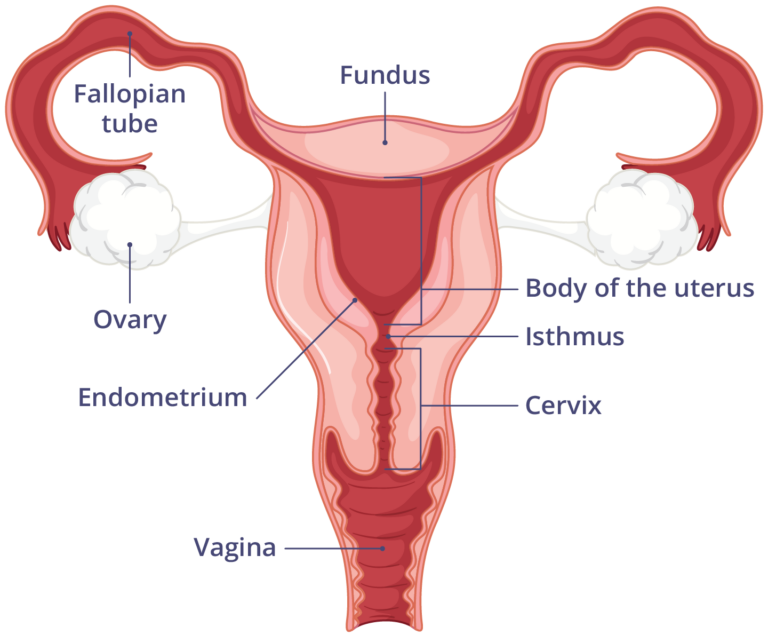
Cervical cancer is a type of cancer that occurs in the cells of the cervix—the lower part of the uterus that connects to the vagina. It is most commonly caused by persistent infection with certain strains of Human papillomavirus (HPV), a very common sexually transmitted virus.
Signs and Symptoms
In its early stages, Cervical cancer often does not cause noticeable symptoms, which is why regular screening is so important. As the disease progresses, symptoms may include:
Common symptoms:
- Abnormal vaginal bleeding
- Between periods
- After sexual intercourse
- After menopause
- Unusual vaginal discharge
- May be watery, bloody, or have a foul odour
- Pelvic pain
- Especially during intercourse or at other times
- Pain during sex
More advanced symptoms:
- Lower back pain
- Leg swelling
- Difficulty urinating or bowel issues
- Fatigue or unexplained weight loss
These symptoms can also be caused by other, less serious conditions—but they should always be checked by a healthcare professional.
How to Reduce Your Risk
The good news is that cervical cancer is one of the most preventable types of cancer when proper steps are taken.
- Get Vaccinated Against HPV
- Vaccines protect against the high-risk HPV types that cause most cervical cancers
- Ideally given before becoming sexually active, but still beneficial later
- Attend Regular Cervical Screening
- Cervical screening tests detect abnormal cell changes early
- Early treatment can prevent cancer from developing
- Practice Safe Sex
- Use condoms to reduce HPV transmission risk
- Limit number of sexual partners
- Avoid Smoking
- Smoking weakens the immune system, making it harder to fight HPV infections
- Maintain a Healthy Immune System
- Eat a balanced diet
- Exercise regularly
- Manage chronic conditions
When to See a Doctor
Seek medical advice if you experience:
- Any unusual vaginal bleeding
- Persistent pelvic pain
- Changes in discharge
Even if symptoms seem mild, early detection can make a major difference.
Cervical cancer develops slowly and is highly preventable with vaccination, screening, and awareness of symptoms. Staying informed and proactive about your health is the most effective way to reduce your risk.
For more information please go to thisisGO.ie