
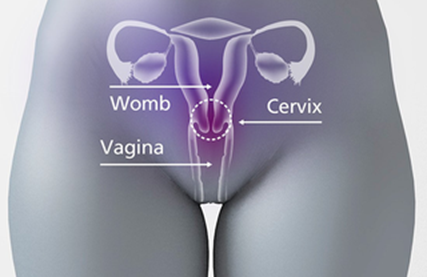
A cervical screening test is a free test to check the health of your cervix. The cervix is the opening to your womb from your vagina.
It is not a test for cancer, it is a test to see if you are at risk of developing cervical cancer.
The test is used to look for what are called ‘pre-cancerous’ cells. The test also gives the health care professional doing the screening the opportunity to check your vulvovaginal health.
If you have a cervix, you can get cervical cancer. 9 in 10 cervical cancers are caused by certain types of human papillomavirus (HPV). HPV is spread through any kind of sexual contact with a man or a woman.
HPV that does not go away is called persistent HPV. This can cause changes to the cells of the cervix over time.
But HPV is not the only cause of cervical cancer. You can get cervical cancer if you have never had sex.
It is very important that you attend your cervical screening test and go to it when it is due.
The process
Cervical screening may check for:
- human papillomavirus (HPV) – some types of HPV can lead to cell changes in your cervix and cancer
- abnormal cell changes in your cervix – left untreated, these could turn into cancer
Step 1:
Your cervical screening test sample will be checked for HPV first.
Step 2:
Your cervical screening sample will be checked for HPV first. If HPV is not found, CervicalCheck does not need to check for abnormal cells. This is because your risk of developing cervical cancer is very low if you do not have HPV.
If HPV is found, it will be checked for abnormal cells.
Abnormal cells are not cancer. But they can lead to cancer.
There are 2 types of abnormal changes to cells in the cervix:
- low-grade – this means minor cell changes
- high-grade – this means moderate to severe cell changes
In most cases, people will be told that the cells of their cervix are healthy. They do not have abnormal cells.
Low-grade changes
Low-grade changes mean that the test has found some minor abnormal changes in the cells of the cervix.
Low-grade changes are common and most clear up on their own.
Having low-grade changes does not mean that you have cancer.
You will need to have a procedure called a colposcopy.
High-grade changes
High-grade changes mean that the test has found moderate to severe abnormal changes in the cells of the cervix. These changes are less likely to clear up on their own.
This does not mean you have cancer.
You will need to have a procedure called colposcopy.
If you need a colposcopy:
A colposcopy is a more detailed look at your cervix. It is similar to having cervical screening.
Your GP or nurse will arrange a colposcopy for you. If you are referred through CervicalCheck, it is free.
You will have your colposcopy in a hospital outpatient department. It takes about 15 to 20 minutes and you can go home the same day.
This way of screening is called HPV cervical screening. If you have had a smear test in the past, having a cervical screening test will feel the same. You will not need to do anything different.